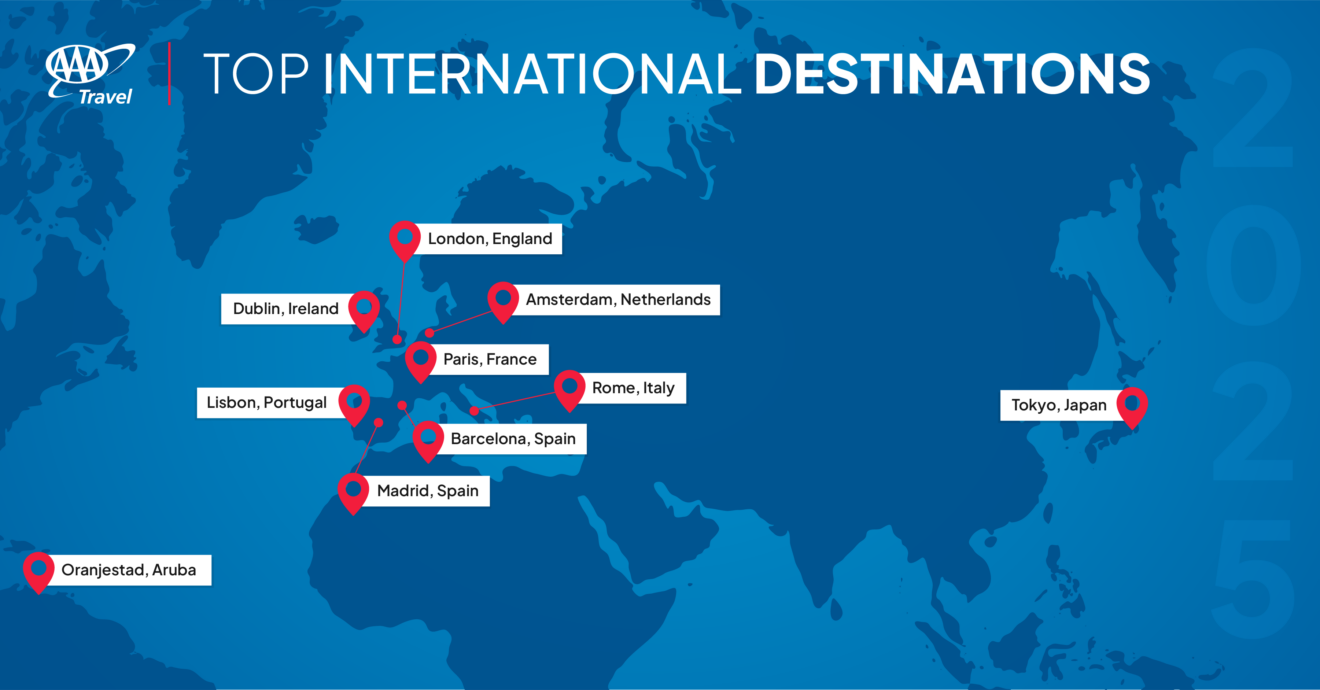
As popular destinations become overcrowded and expensive, travelers are discovering the beauty of secondary cities—smaller, less commercialized urban areas with rich culture and lower costs.
Cities like Porto instead of Lisbon, Chiang Mai instead of Bangkok, or Valencia instead of Barcelona are rising in popularity. They offer authentic local experiences, relaxed atmospheres, and fewer crowds.
Secondary cities also tend to be more innovative in tourism, developing creative festivals, sustainable attractions, and community-led initiatives.
This shift helps distribute tourism more evenly and reduces pressure on major hubs. As travel patterns evolve, secondary cities will continue to attract modern explorers seeking unique and affordable adventures.